


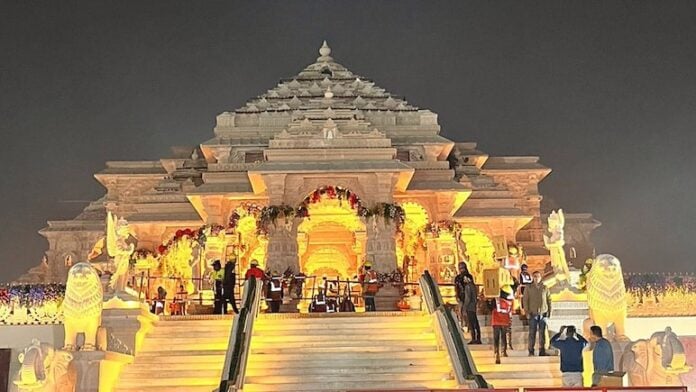
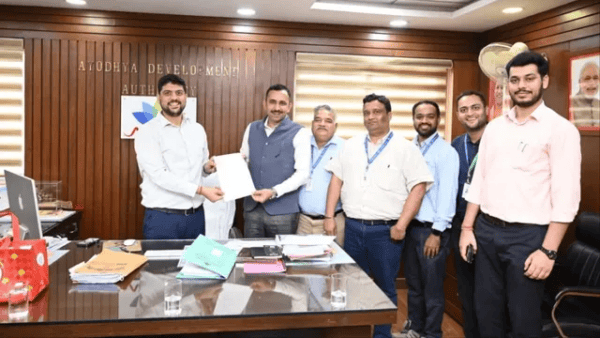
Ayodhya’s proposed temple museum has moved a step closer to reality after the site map for the project was approved on April 22, 2026, according to local reporting. The ambitious development, planned near Rajghat along Laxman Path in the Jamtharaghat area, is being positioned as Bharat’s first dedicated temple museum and is expected to be built by the Tata Foundation with an estimated outlay of around Rs 600 crore.
Project scope
The project is linked to a much larger land parcel than the original plan. Earlier government clearances had expanded the museum footprint to 52.102 acres in Manjha Jamthara village, with the state transferring an additional 27.102 acres free of cost to the tourism department so the Tata-led project could be developed on a broader scale. Reporting from late 2025 said the site was being prepared as a world-class museum of temples, with a 90-year lease arrangement at a token Re 1 per year.
Cost and funding
The financial profile of the museum has evolved over time. Initial reports in 2024 placed the project cost at Rs 650 crore, later described in some coverage as an Rs 750 crore initiative that would largely be funded through Tata’s CSR corpus, including infrastructure, design, interiors, and site development. The latest April 2026 reference places the project at about Rs 600 crore, suggesting the final investment framework may have been revised or partially restructured as approvals progressed.
What the museum will showcase
The museum is expected to present Bharat’s temple heritage through architecture, archaeology, Ram Katha traditions, and the historical evolution of Ayodhya as a sacred city. Earlier coverage also said the complex would include at least 12 galleries and immersive features such as light-and-sound elements, digital storytelling, research and archival spaces, auditoriums, sculpture parks, and landscaped cultural zones. According to officials cited in reports, the aim is to create a contemporary, international-standard institution that explains the spiritual and civilisational significance of temples across Bharat.
Why Ayodhya matters
The museum is being developed in a city that has already become one of Bharat’s most heavily visited religious destinations. Officials quoted in earlier reports estimated that 2 lakh to 4 lakh tourists arrive in Ayodhya daily, a surge that has intensified after the completion and consecration of the Ram temple complex. The museum is expected to help disperse visitor traffic beyond the shrine itself and give pilgrims and tourists a longer, more varied experience of the city’s heritage.
Institutional backing
The project has been shaped through coordination between the Uttar Pradesh government, the Union Culture Ministry, and Tata Sons, with a formal MoU signed on September 3, 2024. Government statements in previous reports said Tata Sons would develop and operate the museum through its CSR funds, using a dedicated non-profit structure under the Companies Act, 2013. The new map approval signals that the project has entered a more concrete implementation phase after years of planning and land restructuring.
Wider significance
Beyond its religious role, the museum is being framed as a major cultural and tourism infrastructure project for Ayodhya. Supporters say it could strengthen heritage tourism, create a new attraction around the Ram temple corridor, and showcase Bharat’s temple traditions in a form designed for domestic and international visitors. With the latest approval now in place, the project appears to be transitioning from policy design into on-ground execution.
