


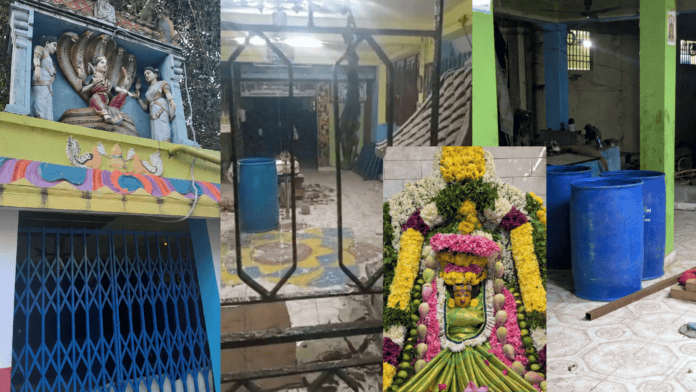
Serious concerns have been raised by Hindu devotees of Arulmigu Sridevi Periyapalayathamman Temple in Meenambakkam, Chennai, over the reported suspension of the temple’s annual car festival for three consecutive years and the prolonged closure of its main sanctum, reportedly for nearly a year. Devotees have expressed disappointment over the disruption of regular worship and the absence of a clear timeline for the completion of renovation work and restoration of normal temple activities. In a representation submitted to the media, concerned devotees have called for an investigation into the temple’s administration, greater transparency in renovation-related expenditure, and urgent intervention by the competent authorities.
Three years without the annual car festival
As per the reports from The Communemag, the reported cancellation of the annual temple car festival for three consecutive years has emerged as one of the principal concerns among devotees. The festival is an important expression of Hindu religious tradition, bringing together worshippers, families, and members of the local community to participate in collective devotion to the Devi. For many, such annual celebrations are not merely ceremonial occasions but an integral part of their religious and cultural life. According to the concerns raised by devotees, renovation work has been cited as the reason for the festival’s suspension. However, they question why the disruption has continued for so long without satisfactory visible progress or a definite schedule for its resumption. While structural safety and legitimate renovation requirements must be respected, devotees are seeking a clear explanation of the obstacles preventing the restoration of this longstanding tradition.
Prolonged closure of the main angulation causes distress
Equally concerning is the claim that the temple’s main sanctum has remained closed for nearly a year, with rituals and related religious requirements reportedly cited as the reason. Access to the principal deity is central to the worship and spiritual life of devotees, and an extended interruption can deeply affect those who visit the temple for daily prayers, family occasions, and important religious observances. Devotees recognize that certain rituals, consecration-related procedures, and structural works may necessitate temporary restrictions. However, they are seeking clarity on the specific reasons for the prolonged closure, the religious or administrative decisions underlying it, the work or rituals that remain pending, and the expected date for reopening. Respect for Hindu traditions must go hand in hand with clear communication so that worshippers are not left indefinitely uncertain about when normal darshan and worship will resume.
Renovation work under scrutiny as devotees seek a definite timeline
The temple’s renovation has become a central point of concern because it has reportedly been cited as the reason for suspending the annual car festival over three consecutive years. Devotees have questioned whether the work is progressing according to a defined plan and why a clear completion date has not been communicated. They are seeking information on the approved scope of renovation, the date on which work commenced, the stages completed so far, the reasons for any delays and the arrangements being made to restore regular religious activities. If technical, financial, structural or religious considerations have prevented progress, the temple administration should explain these constraints with supporting information. Renovation is essential when required to preserve a temple and ensure the safety of worshippers, but it should ultimately serve the continued preservation of the institution and its religious life rather than leave important traditions suspended without a credible restoration plan.
Questions over temple funds
The representation also raises concerns about financial transparency, maintenance, and the management of funds associated with the temple. These concerns have not been independently established and should not be treated as proof of financial misconduct. Nevertheless, devotees have a legitimate interest in understanding how donations and other contributions intended for temple maintenance, renovation, and religious activities are recorded and utilized. The administration should make the relevant financial information available to the competent authorities for scrutiny, including the approved renovation budget, expenditure incurred, funds received, and the status of outstanding work. Where questions have been raised about the use of religious donations, documentary verification is the appropriate way to establish the facts. Transparent accounts and independent examination, where warranted, would help address legitimate concerns, protect the interests of the temple, and restore confidence among devotees.
Devotees seek answers from temple administration and HR&CE authorities
The concerns have prompted calls for the temple administration and the relevant Hindu Religious and Charitable Endowments (HR&CE) Department authorities to clarify the situation. Among the principal questions are why the annual car festival has not been conducted for three years, what specifically necessitates the continued closure of the main sanctum, how much renovation work has been completed, and when normal worship can resume. Devotees are also seeking details of the funds allocated and spent, the agencies or individuals responsible for supervising the renovation, and the reasons for the apparent delay. A formal inspection and a written progress report would help establish the current position. The competent authorities should also clarify their jurisdiction and responsibilities in relation to the temple and determine what administrative steps are appropriate under the applicable rules.
Restoration of Hindu religious traditions must be a priority
A temple is not simply a physical structure; it is a sacred institution sustained by the faith, participation, and contributions of its devotees. The preservation of Hindu temples must therefore encompass both their physical condition and the continuity of their religious traditions. Where renovation or safety requirements necessitate temporary restrictions, the administration should communicate the reasons clearly and work towards restoring worship and celebrations at the earliest feasible opportunity. Devotees have called for consideration of whether the annual car festival can resume through suitable arrangements, subject to structural safety, necessary permissions, and established religious requirements. Any such decision must be made in consultation with the appropriate religious and technical authorities. The larger concern is that prolonged disruption of worship should not become an open-ended situation without transparent explanations, measurable progress, or a clear plan for restoration.
The representation urges the Tamil Nadu government and the competent authorities to examine the matter through the appropriate administrative process. The proposed measures include inspecting the temple and assessing the status of renovation, reviewing relevant records of donations and expenditure, obtaining a documented schedule of pending work, and establishing a practical timeline for reopening the main sanctum. Devotees have also called for regular public updates on decisions affecting worship and the annual festival. If an inquiry establishes administrative deficiencies or financial irregularities, appropriate action should follow in accordance with the law. At the same time, the temple management should be given an opportunity to explain the reasons for the closure, the festival’s suspension, and any delays in renovation. An impartial examination based on records and responses from all concerned parties would help distinguish verified facts from allegations and identify the measures necessary to resolve the situation.
Devotees demand accountability and the restoration
The concerns surrounding Arulmigu Sridevi Periyapalayathamman Temple underline the importance of responsive and transparent administration of Hindu religious institutions. The reported absence of the annual car festival for three consecutive years, the prolonged closure of the main sanctum, and the lack of a publicly communicated restoration schedule have left devotees seeking answers. Their central demand is that the administration explain the situation, demonstrate tangible progress, and establish a clear timeline for restoring regular worship and the annual celebrations. The concerns should not be dismissed without examination. The immediate priority must be to establish the facts, safeguard the temple and its resources, respect legitimate religious requirements, and ensure that devotees receive timely information. The faith of the worshipping public deserves respect, and their reasonable questions about the administration of a sacred institution deserve clear, documented answers.
