


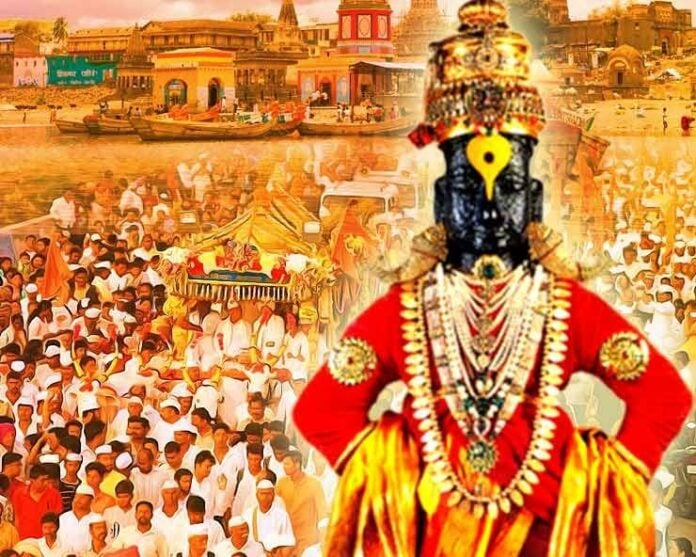
Pandharpur Wari, a centuries-old pilgrimage, and Ashadhi Ekadashi, a sacred day in the Hindu Panchang, are deeply embedded in Maharashtra’s spiritual and cultural fabric. These traditions celebrate devotion, community, and the unyielding faith of the Varkari sect. Every year, millions of devotees embark on a journey to Pandharpur, the abode of Bhagwan Vithoba, also known as Vitthala or Panduranga, to participate in this grand pilgrimage and observe Ashadhi Ekadashi.
Historical Background of Pandharpur Wari
The roots of Pandharpur Wari trace back over 800 years, making it one of the oldest and most significant pilgrimages in Bharat. The pilgrimage commemorates the Sants of Maharashtra, such as Sant Dnyaneshwar, Sant Tukaram, Sant Eknath, and Sant Namdev, who contributed immensely to the Bhakti movement. The Wari, which means pilgrimage in Marathi, involves devotees, known as Varkaris, walking hundreds of kilometres from their hometowns to the temple of Bhagwan Vithoba in Pandharpur.
The tradition is believed to have been initiated by Sant Dnyaneshwar and Sant Tukaram. The palanquins (palkhis) carrying these saints’ padukas (footprints) start from their respective towns, Alandi and Dehu, and proceed towards Pandharpur. Along the way, they are joined by countless devotees, singing abhangas (devotional songs) and chanting the name of Vitthala, creating a spiritual ambience that reverberates through the journey.
The Journey and Rituals
The Pandharpur Wari is not just a physical journey but a profound spiritual experience. The procession begins from Alandi and Dehu around 21 days before Ashadhi Ekadashi, covering a distance of approximately 250 kilometres over 21 days. The journey is marked by discipline, simplicity, and community living, reflecting the teachings of the Sants.
Varkaris adhere to a strict code of conduct during the Wari. They wear simple, white cotton clothes and Tulsi beads and carry the saffron flag, symbolizing their unwavering devotion. The journey is punctuated by various rituals, including singing kirtans (devotional songs), performing bhajans (prayers), and engaging in discourses on the lives and teachings of the Sants. The procession halts at designated places where local communities provide food and shelter, demonstrating the spirit of unity and service.
Ashadhi Ekadashi: the day Sri Hari Vishnu goes to sleep
Ashadhi Ekadashi, also known as Devshayani Ekadashi, falls on the eleventh day (Ekadashi) of the bright fortnight (Shukla Paksha) in the month of Ashadha (June-July). It marks the culmination of the Pandharpur Wari. According to Hindu tradition, this day signifies the beginning of the four-month period when Bhagwan Vishnu is believed to enter a state of deep sleep (yoga nidra). Devotees observe a fast on this day, believing it to be highly auspicious for spiritual practices and devotion.
On Ashadhi Ekadashi, Pandharpur witnesses a massive influx of pilgrims. The town, situated on the banks of the Bhima River, transforms into a vibrant sea of devotion. The central event is the darshan (sacred viewing) of Bhagwan Vithoba at the Vitthal-Rukmini Mandir. Devotees eagerly wait hours in long queues to glimpse Bhagwan Pandurang and Devi Rukhmai, seeking blessings for prosperity, health, and spiritual upliftment.
Spiritual and Cultural Significance
The Pandharpur Wari and Ashadhi Ekadashi hold profound spiritual and cultural significance. They epitomize the Bhakti movement’s core principles: devotion, humility, equality, and community service. The Sants propagated that true devotion transcends caste, creed, and social status, emphasizing a personal connection with the divine through love and surrender.
The pilgrimage fosters a sense of unity and belonging among the participants. The Varkaris, irrespective of their social and economic backgrounds, walk together, eat together, and share the same experiences, embodying the essence of collective spiritual pursuit. The journey is a testament to the enduring faith and resilience of the devotees, who overcome physical hardships with unwavering devotion.
Culturally, the Wari is a vibrant showcase of Maharashtra’s rich heritage. The abhangas and kirtans sung during the procession are integral to the state’s folk traditions. The melodious tunes and profound lyrics of these devotional songs continue to inspire generations, preserving the legacy of the Sants.
The Pandharpur Wari also has a significant environmental and social impact. The journey encourages sustainable practices, such as minimal use of resources, emphasis on cleanliness, and respect for nature. The Varkaris’ simple lifestyle and disciplined conduct during the Wari reflect an eco-friendly approach, promoting harmony with the environment.
The Pandharpur Wari and Ashadhi Ekadashi are not merely religious events but profound expressions of devotion, culture, and community spirit. They embody the Bhakti movement’s timeless teachings and millions of Hindus’ enduring faith. Through the journey to Pandharpur and the observance of Ashadhi Ekadashi, the Varkaris reaffirm their commitment to the path of devotion, humility, and service. The pilgrimage inspires and unites people, transcending barriers and fostering deep spiritual fulfilment and cultural pride.
In a rapidly changing world, the Pandharpur Wari and Ashadhi Ekadashi stand as enduring symbols of the timeless values that form the bedrock of Hindu Dharma, reminding us of the power of faith, the joy of community, and the beauty of devotion.
(Featured Image Source: Webdunia Marathi)
