


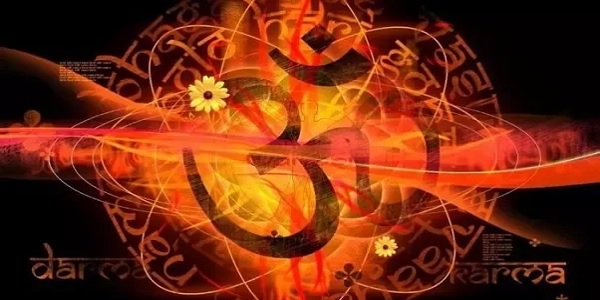
Hindu Dharma—or Hindu culture—is far more than a mere religion. It is a vast, living tradition born from millennia of spiritual inquiry, philosophical dialogue, and cultural synthesis. Its treasures lie in its expansive scriptures, pluralism of beliefs, and timeless pursuit of inner power (shakti) through devotion (bhakti). Embracing Hindu wisdom does not diminish the validity of other faiths; rather, it celebrates universal truths through a uniquely Indian prism.
1. A Pluralistic Ocean of Faith
Hindu culture is not bound by a single prophet, dogma, or exclusive truth claim. It embraces many paths—devotion (bhakti), knowledge (jnana), action (karma), and meditation (raja yoga). This pluralism is rooted in the Vedic idea that ‘Truth is one, but the wise call it by many names’ (Ekam sat vipra bahudha vadanti). While some religions demand uniformity, Hindu Dharma invites individuality. This openness fosters tolerance, allowing different sects—like Shaivism, Vaishnavism, and Shaktism—to thrive side by side. The diversity of temples, traditions, and even regional languages demonstrates how Hindu culture honors unity through diversity.
2. The Four Purusharthas: A Compass for Human Life
Hindu philosophy offers a well-rounded roadmap for human life in the form of the four Purusharthas: Dharma (righteous living), Artha (material success), Kama (emotional and sensory pleasure), and Moksha (spiritual liberation). These are not isolated goals but interconnected stages that balance material and spiritual pursuits. For instance, one must earn (Artha) ethically (Dharma), enjoy life (Kama) responsibly, and gradually seek freedom (Moksha) from desires and ego. This integrative model allows individuals to grow in all dimensions—social, emotional, intellectual, and spiritual. It teaches that success and enjoyment are valid, but only when guided by ethical wisdom and higher purpose.
3. Not Blind Faith but Spiritual Science
Contrary to the misconception that Hindu rituals are superstitious, they are deeply symbolic and often scientific in origin. Each act—from lighting a lamp to chanting mantras—has purpose and context. The principle of desh (place), kal (time), and patra (person) reminds us that rituals must be appropriate to their setting. For example, Surya Namaskar (sun salutation) at dawn aligns with circadian rhythm, while Tulsi worship supports environmental awareness. Moreover, Hinduism encourages inquiry (vichara). The Upanishads are filled with dialogues between teachers and seekers, reflecting the culture’s deep respect for philosophical questioning and experiential wisdom.
4. Spiritual Practice: Tools for Inner Transformation
Hindu Dharma emphasizes five key tools to purify the mind and elevate the soul:
• • Nama Smaran (Chanting the divine name): Centers the mind and awakens divine vibrations.
• • Satsang (Spiritual company): Uplifts consciousness through collective wisdom.
• • Satseva (Selfless service): Cultivates humility and dissolves ego.
• • Tyaga (Sacrifice): Frees one from attachment and selfishness.
• • Prema (Pure love): Enables unconditional acceptance and divine connection.
These practices align with the progression from sat (truth) to chit (awareness) to ananda (bliss), which mirrors the soul’s journey from illusion to enlightenment. In daily life, these tools manifest through small acts of compassion, gratitude, and self-discipline, leading to gradual yet profound transformation.
5. Living Metaphysics: From Philosophy to Practice
Hindu metaphysics is not confined to intellectual study; it demands living realization. Thinkers like Swami Vivekananda emphasized channeling spiritual power (shakti) through loving devotion (bhakti) and bold action. Sri Aurobindo blended Vedic wisdom with evolutionary consciousness, envisioning a divine life on earth. The metaphysical insight that the Atman (soul) is Brahman (the universal spirit) calls for daily remembrance of one’s divine nature. Even Western scholars like John Woodroffe (Arthur Avalon) appreciated Hindu tantra as a powerful, symbolic language for inner unity. The emphasis on self-realization and cosmic oneness transcends sectarianism and invites all humans toward the same ultimate truth.
6. Culture in Action: Festivals, Symbols, and Lifestyle
Hindu culture finds expression in everything from food and dress to festivals and greetings. The reverence for cows, rivers, mountains, and even trees stems from a worldview that sees the divine in all life forms. Festivals like Diwali, Holi, Navratri, and Pongal are not just celebratory—they’re spiritual and seasonal, marking cycles of nature and inner renewal. Even the scripts used (like Devanagari) are symbolic, each letter a form of sacred geometry. Daily customs—touching elders’ feet, applying tilak, or eating with the right hand—are infused with meaning. Together, these acts preserve identity, encode ethics, and build continuity between generations.
Conclusion: A Global Legacy
Hindu Dharma is not a religion in the narrow sense—it is a civilizational ethos. It offers a harmonious integration of the material and the spiritual, the individual and the universal. Its holistic model fosters mental clarity, moral courage, and emotional balance. As the world grapples with environmental, ethical, and existential crises, the timeless wisdom of Hindu culture stands as a beacon of resilience and compassion. By exploring its depths, we discover not only our cultural roots but also universal principles that uplift humanity as a whole.
–Dr. Satish Bendigiri
