


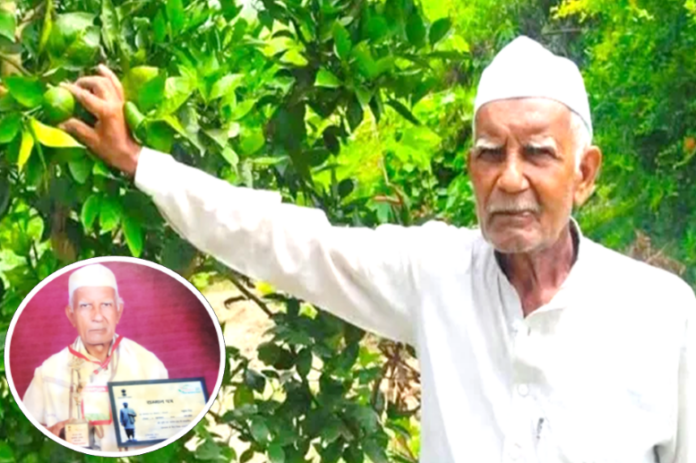
Late Shri Raghupat Singh, a distinguished recipient of the Padma Shri, represents the spirit of grassroots leadership in Bharat. He is an individual whose work has quietly transformed lives far from the spotlight. His journey is not defined by power or privilege, but by dedication to community upliftment, social reform, and sustainable development. Posthumously honoured with one of Bharat’s highest civilian awards, namely Padma awards, Raghupat Singh’s life is a testament to how consistent, locally rooted efforts can create lasting national impact.
Who is Raghupat Singh?
Raghupat Singh was born into a modest rural family and experienced firsthand the challenges that define life in many parts of Bharat, namely limited access to education, inadequate healthcare, and economic uncertainty. These early struggles shaped his worldview and instilled in him a deep sense of responsibility toward his community. Despite the challenges rather than seeking opportunities elsewhere, Raghupat chose to remain rooted in his native region, dedicating his life to improving the conditions around him.
Education became one of his earliest areas of work. He recognized that lack of schooling was at the heart of many social and economic issues. Subsequently, Raghupat worked tirelessly to promote literacy, especially among children from marginalized communities. He played a key role in establishing informal learning centers and motivating families to send their children to school. His approach was not limited to infrastructure; he emphasized awareness, often going door-to-door to convince parents of the value of education.
Raghupat Singh’s work transform rural lives
In addition to education, Singh’s contributions to rural development have been particularly noteworthy. He championed sustainable agricultural practices, encouraging farmers to adopt methods that were both environmentally friendly and economically viable. By promoting water conservation techniques, crop diversification, and organic farming, he helped improve productivity while preserving natural resources. His work ensured that farming communities could become more resilient in the face of changing climatic conditions.
Healthcare awareness formed another critical pillar of his service. In regions where access to medical facilities was limited, Raghupat Singh organized health camps and awareness drives, focusing on preventive care. He collaborated with local practitioners and volunteers to provide basic healthcare services, vaccinations, and education on hygiene and nutrition. His efforts significantly improved health outcomes in his area, particularly among women and children.
One of Late Shri Raghupat’s most admirable qualities was his ability to mobilize people. He understood that lasting change could not be imposed from outside but had to emerge from within the community. Through self-help groups, village meetings, and collective initiatives, he fostered a sense of ownership among the people. Women’s empowerment, in particular, became a central theme of his work. By encouraging women to participate in decision-making and economic activities, he helped shift traditional power dynamics and create more inclusive communities.
Over the years, Shri Raghupat Singh’s work expanded beyond his immediate surroundings, influencing broader regional development. Despite limited resources, he demonstrated that effective leadership does not always require formal authority. His credibility came from his integrity, consistency, and deep connection with the people he served. He led by example, often participating directly in the activities he promoted, whether it was building community infrastructure, planting trees, or organizing social campaigns.
What sets Singh apart is his holistic approach to development. He did not treat issues like education, health, and livelihood as isolated challenges but understood their interconnected nature. His initiatives often addressed multiple aspects simultaneously, creating a more sustainable and comprehensive impact. This integrated perspective is increasingly relevant in today’s world, where complex problems require multifaceted solutions.
The recognition of Late Raghupat Singh with the Padma Shri is significant not only for him but also for the countless unsung heroes across Bharat who work tirelessly at the grassroots level. It highlights the importance of acknowledging contributions that may not make headlines but are vital for the nation’s progress. Late Shri Raghupat Singh’s award serves as an inspiration for young individuals who aspire to bring about change in their communities.
In conclusion, Raghupat Singh’s life story is a powerful reminder that meaningful change often begins at the grassroots. His work exemplifies the values of सेवा (service), समर्पण (dedication), and सामूहिक प्रगति (collective progress). As Bharat continues to evolve, leaders like Raghupat Singh play a crucial role in ensuring that development reaches every corner of the country. His journey inspires us to look beyond individual success and contribute to the greater good.
(Featured Image Source: Prerna Samvad)
