


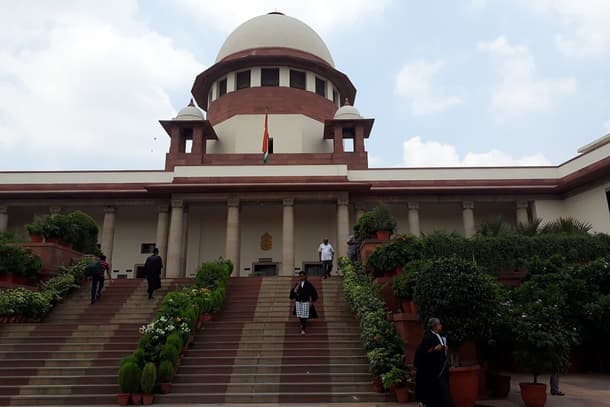
“The Doctrine That Ate Indian Traditions”, Swarajya, April 06, 2026
“In 1954, a dispute over a monastery in the coastal town of Udupi reached the Supreme Court of India. The state of Madras wanted its commissioner to take over the administration of Shirur Math, a centuries-old Hindu institution.
The math’s leadership resisted, arguing that the Constitution guaranteed religious denominations the right to manage their own affairs in matters of religion. The state countered with what must have seemed like a reasonable proposition: surely, not everything a religious institution does is actually religious. Some of it — the hiring, the money, the logistics — is secular, and secular activities are fair game for regulation.
Seven justices considered this argument. What they produced, in a judgment now cited in virtually every religion case in India, was something nobody had quite bargained for: a new constitutional test that would empower judges to determine which religious practices deserve protection and which do not. They called it the test of “essential religious practices…….”
Read full article at swarajyamag.com
