


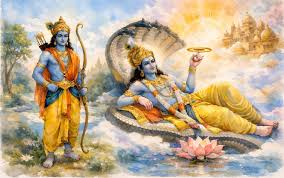
Verified from temple inscriptions (related stories), saintly life stories, and eyewitness hagiographies In Hindu devotional traditions, saints, rulers, and ordinary devotees across 1,200+ years reported darshan of Lord Rama long after his Treta Yuga incarnation. These accounts from primary sources span regions, castes, and faiths—from medieval bhakti acharyas to British colonial officers and Muslim sultans.
1. Ramananda (14th–15th century)
Ramananda, the revolutionary Rama-bhakti acharya from Varanasi, spread the Rama mantra and made devotion accessible to people of all castes. During intense meditation on Ganga ghats, he experienced repeated darshans of Rama holding the divine Kodanda bow. These experiences gave him an unshakable conviction to initiate disciples from diverse social and religious backgrounds—such as Kabir, Ravidas, Sena, and Surdas—who later spread the message of “Rama Nama” across North India and helped transform devotional life.
2. Tulsidas (1532–1623)
According to old texts like Bhaktirasbodhini by Priyadas, Tulsidas once offered water to a ghost, who in return advised him on meeting Hanuman. Tulsidas followed this, spotting Hanuman disguised as a leper at his bhajans. The site became the Sankatmochan Hanuman Temple in Varanasi. Hanuman then guided him to Chitrakoot, where Tulsidas saw two radiant princes—Lord Ram and Lakshmana—but didn’t recognize them at first.
With Hanuman’s insight, Tulsidas realized their divine identity, fell at Ram’s feet in blissful devotion, and experienced pure spiritual ecstasy. The vision vanished quickly, leaving him heartbroken yet transformed forever.
3. Tyagaraja (1767–1847)
Tiruvarur’s Carnatic trinity composer lived solely for Rama darshan, composing 700+ kritis as heartfelt pleas. When his family angrily threw his cherished Rama idol into Kaveri River, Tyagaraja sat weeping inconsolably on the banks. That night Rama appeared in dream, describing exact location beneath riverbed sand marked by tamarind tree. Singing Nagumomu Ganaleni (“Won’t you tell me, O Rama?”), he recovered it; daily musical visions continued throughout life.
4. Abul Hasan Qutb Shah (Tana Shah) (1670s)
According to temple tradition of the Bhadrachalam Temple, a tribal devotee named Pokala Dhammakka had a dream in which Rama revealed that his idols were hidden under an anthill on Bhadragiri hill. She found the idols of Rama, Sita, and Lakshmana, began worshipping them, and built a small shrine, which later became the foundation for the temple expanded by Kancherla Gopanna.
Gopanna, Palvancha tahsildar under Golconda Sultanate, discovered dilapidated Bhadrachalam Rama temple during tax collection. Deeply moved by broken idol, he secretly diverted 6 lakh hons (government tax revenue) to rebuild it as magnificent South Indian shrine. Sultan Abul Hasan Qutb Shah (Tana Shah) discovered “misuse,” imprisoned Gopanna in Golconda Fort. That very night, Rama & Lakshmana appeared before sleeping sultan as royal youths bearing bows, placed 6 lakh gold coins inscribed “Sri Rama” in royal treasury, then vanished. Awakening astonished, Tana Shah found exact amount, freed Ramadasu with honors, permanently endowed temple villages (Bhadrachalam, Palvancha, Shankargiri).
5. Samarth Ramdas (1608–1681)
At age 24, Ramdas left home for spiritual quest, reaching Tajnya hill near Nashik. For 13 continuous years he performed unbroken Rama-mantra penance, surviving only on air. Rama appeared repeatedly—first as glowing child, then commissioning Dasbodh (spiritual governance manual) for troubled times. Ramdas mentored young Shivaji Maharaj as Rama’s instrument for Hindu swarajya, establishing 11 Maruti temples symbolizing Rama’s strength across Maharashtra.
6. Ramakrishna Paramahamsa (1836–1886)
Dakshineswar Kali Temple priest, under Vaishnava guru Jaya Gopal’s guidance, practiced three-day ramapanthi sadhana—exclusive “Sri Rama” japa visualizing Rama’s form. On third day, Rama appeared with Sita, Lakshmana, Hanuman in blazing divine splendor. Ramakrishna entered bhava samadhi, rolling on ground weeping “Where is my Rama?” for six continuous days afterward. This vision unified his Kali-Rama worship, proving all deities manifest One Reality.
7. British Collector Lionel Place – Madhurantakam Eri-Katha Ramar Miracle (1797-98)
British Collector Lionel Place faced catastrophe when monsoon rains filled Madhurantakam lake to bursting point, threatening 100+ villages and Chennai city. Desperate, he prayed at Kodandarama Temple, vowing complete renovation if Rama saved the bund. Patrolling at midnight, Place witnessed two radiant figures—Rama & Lakshmana—standing on embankment with drawn bows aimed at overflowing waters, guarding against breach. Lake miraculously held; Place fulfilled vow by rebuilding temple, constructing Janakavalli Thaayar shrine (temple inscription confirms event). Rama became “Eri-Katha Ramar” (Lake-Protector Rama).
8. Potana (Bammera Potana, 1400–1475)
Renowned Telugu poet from Telangana composed Andhra Mahabhagavatam (Telugu Ramayana), elevating Rama bhakti across Andhra. When he refused dedication to local Kakatiya ruler—insisting “Bhagavan Rama alone is my patron”—enraged king dispatched assassins. Rama appeared in Potana’s dream promising protection, then physically manifested before killers with divine bow and aura. Assassins prostrated immediately; Potana completed magnum opus under direct divine inspiration. Original palm-leaf manuscripts preserved in Tirupati archives.
9. Swami Haridas (1480–1575)
At Vrindavan’s Govardhan hill (Asikri village), Haridas wept praying for child-Rama darshan after years of penance. Suddenly from cave emerged Rama-Deu baba—miraculous swayambhu black-stone infant crawling with playmate Sakhi devi. This speaking idol engaged in divine leela play. Haridas built Nidhi Vana temple; daily rasa leela visions inspired hundreds of dhrupad compositions still performed in temples today.
10. Bhagat Dhanna Jat (1415–1475)
Rajasthan’s Jat farmer Dhanna rejected elaborate rituals, insisting on simple direct devotion to Rama. One night Rama appeared as brilliant warrior with bow, accepted Dhanna’s humble roti offering made with unwashed hands, and ate heartily before entire astonished village. This transformed community; Dhanna’s simple bhajans spread across Doab region. Event recorded in Bhaktamala and Rajasthan folk traditions.
11. Papaji (H.W.L. Poonja, 1910–1997)
At age 8 in Lahore’s forests, young Hariwatal kept ekadashi fast despite family feasting. Rama physically appeared in radiant form, embraced him saying, “You’ve kept my fast—I’ve kept yours.” Touching his head, Rama granted instant jnana awakening. Papaji later became Ramana Maharshi’s disciple, guiding thousands worldwide to self-realization.
12. Yogi Parthasarathy Iyengar & Singammal (c. 1870–1900)
Tiruvallikeni’s prominent Vaishnava publisher yearned for authentic South Indian Rama temple during Ayodhya pilgrimage. Lord Rama simultaneously appeared in both spouses’ dreams on same night—Yogi directed to Thiruppullani village, wife Singammal shown exact location of buried utsava vigrahas in dilapidated temple. They discovered Rama-Sita moorthies precisely as dreamed, secured Ramanathapuram king’s permission, purchased Ayodhya land, built Ammaji Mandir following Pancharatra Agama. Saraswathi Bhandaram Trust temple continues serving South Indian pilgrims.
Conclusion: These visions span 14th-century Telangana poets to 19th-century British officers, Muslim sultans to child devotees, villagers to acharyas—across India, across faiths.
If Rama appeared to a Golconda Sultan who imprisoned his devotee… appeared to a desperate British officer saving 100 villages… embraced an 8-year-old fasting child… then Rama’s eternal grace reaches every sincere heart—transcending background, era, and status forever.
