


“Iran built its proxies, now it can’t control them”, Firstpost, 2 Sep 2026.
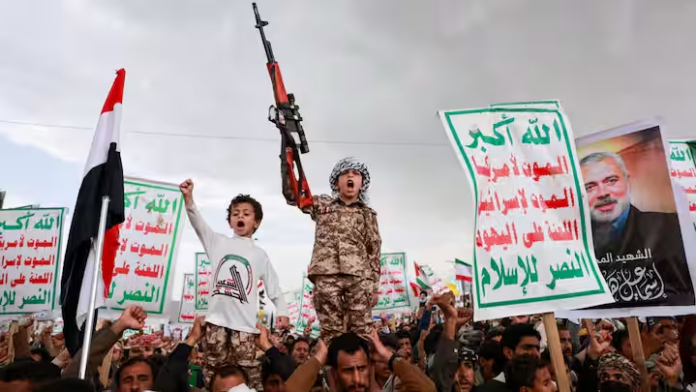
“For more than four decades, Iran built its power in West Asia around a simple strategic calculation: its wars were better fought away from Iranian soil. Through the Islamic Revolutionary Guard Corps and its Quds Force, Tehran armed, funded and cultivated a network stretching from Hezbollah in Lebanon and Shia militias in Iraq to the Houthis in Yemen and Palestinian armed factions.
Syria under Bashar al-Assad provided the crucial territorial bridge connecting much of this architecture. Tehran called it the “Axis of Resistance”; its military doctrine spoke of “forward defence” and, increasingly, the “unity of the fronts”. The logic was brutally effective. Keep the battlefield away from Iran. Surround adversaries with multiple fronts. Raise the cost of confronting Tehran without requiring Iran itself to fight every war. These were not merely allies. Over four decades, Iran had effectively built battlefields across West Asia beyond its own borders.
By 2026, however, much of this architecture had been battered. Hamas was severely weakened after the Gaza war. Israel had killed Hezbollah chief Hassan Nasrallah and much of the group’s senior command. Bashar al-Assad’s regime, the geographical linchpin connecting Iran to Lebanon, collapsed in 2024. Then came something the entire doctrine of forward defence was supposed to prevent: war reached Iran itself. The direct conflict with Israel and the United States exposed the limits of fighting through distant fronts. On paper, the Axis of Resistance had not looked this vulnerable in decades. Yet weakness did not bring stability. The militias survived, their weapons survived, and so did their capacity to drag states back into conflict. Iran’s regional network had been diminished. The wars it helped create had not…………………”
Read the full article at Firstpost.
