


Have you noticed a pattern lately?
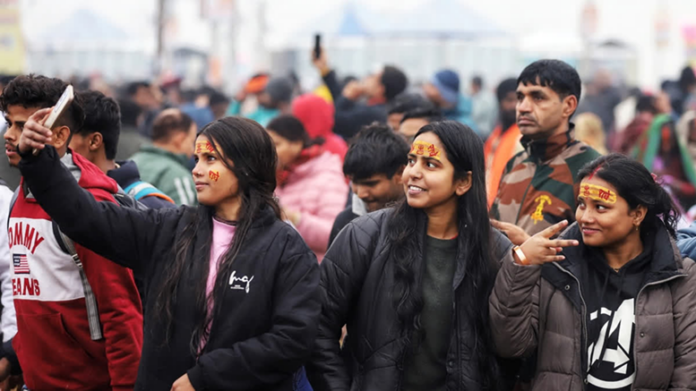
Influencers visiting Hindu festivals like Kumbh or Holi, dressed up in traditional attire, wearing Hindu symbols, and portraying themselves as deeply immersed in the experience. Seems all good, right?
But there’s more to it.
After romanticizing their trip and gaining engagement, they subtly insert criticisms. Raising concerns about hygiene, women’s safety, or crowd mismanagement. On the surface, it seems like genuine feedback, but in reality, it’s a well-crafted smear campaign.
This is a new tactic.
Earlier, Hindu festivals were outright maligned. Called regressive, unsafe, or environmentally harmful. But that backfired as people pushed back. Now, the approach has changed. Became subtle, strategic, and emotionally manipulative.
First, they immerse themselves in the culture to gain credibility. Then, they introduce “concerns” that align with a broader anti-Hindu narrative. Their aim is to create doubt, to paint Hindu traditions as problematic while pretending to be “neutral observers”.
It’s a carefully orchestrated PR move to malign Hindu festivals without appearing outright hostile. They play on progressive buzzwords to make their concerns seem valid and apolitical and at the same time pretend they’ve thoroughly enjoyed the festival.
But the intent is clear: to make Hindus feel ashamed of their traditions. The attack is psychological and slow, but persistent. Don’t fall for the facade. Appreciate genuine feedback but also recognize when something is a carefully disguised hit job.
(This article has been compiled from the tweet thread posted by @authorneelabh on March 16, 2025, with minor edits to improve readability and conform to HinduPost style guide)
