


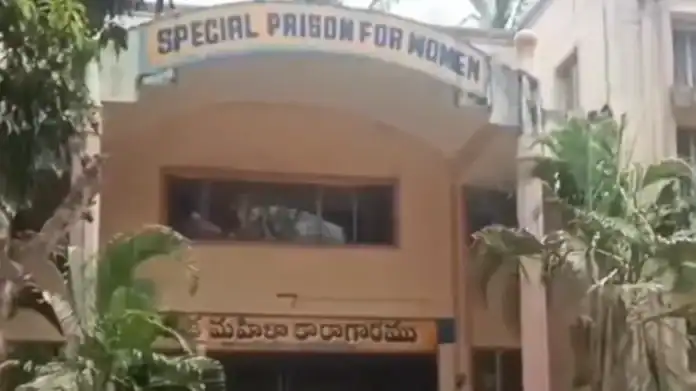
Allegations of organised Christian proselytisation inside the Special Women’s Jail in Rajahmundry, East Godavari district, Andhra Pradesh, have triggered an official inquiry after reports claimed that inmates were being encouraged to embrace Christianity and that Hindu prisoners faced discrimination. Following media reports on the controversy, Andhra Pradesh Director General of Police (DGP) Harish Kumar Gupta ordered a formal investigation into the matter.
The controversy centres on allegations against jail superintendent Vasantha Kumari, who has been accused of promoting Christian religious activities within the prison premises. According to reports, around 70 women inmates and nearly 30 staff members are housed in the facility. Reports show that Christian inmates and staff members received preferential treatment, while Hindu inmates and employees were subjected to harassment and discrimination.
Reports further highlight that vulnerable jail inmates were approached with promises of improved facilities, faster bail prospects and relief from personal difficulties if they embraced Christianity. Reportedly, nearly 20 inmates had already been prepared for religious conversion, leading to unrest within the prison.
The issue gained wider attention after the circulation of a poster titled “Soldiers for Jesus – Prisons Department – Fellowship Spiritual Meet”, which was reportedly shared in WhatsApp groups. The poster raised questions about the role of religious organisations and the extent of Christian evangelical activities being conducted within or around the prison system. Reports show that the poster was circulated by the jail superintendent herself, intensifying concerns about the involvement of a serving prison official in religious propagation.
The news was first highlighted in a report published by Andhra Jyothy, following which the matter reportedly caused significant concern within the Andhra Pradesh prison administration. In response, DGP Harish Kumar Gupta ordered an inquiry and appointed Krishna Veni, superintendent of the Women’s Special Jail in Kadapa district, as the investigating officer. The findings of the inquiry are expected to determine whether prison regulations and constitutional safeguards concerning religious freedom and neutrality were violated.
The episode has once again brought attention to the incidents of religious proselytisation in State-run institutions and the vulnerability of inmates who are entirely dependent on prison authorities for their daily welfare. Critics argue that any attempt to influence prisoners through inducements or administrative pressure would amount to a serious abuse of official authority and a violation of the rights of jail inmates to practise their faith freely.
