


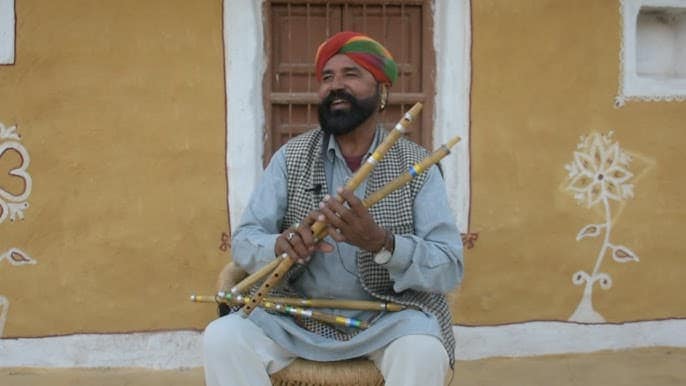
Taga Ram Bheel, a revered folk musician from Rajasthan, is a living embodiment of Bharat’s rich and diverse cultural heritage. Honoured with the Padma Shri, one of the nation’s highest civilian awards, his life’s work has been dedicated to preserving and promoting the traditional music of the Bhil Vanvasi (ST – tribal community). In an era of rapid modernization, his voice stands as a powerful reminder of the enduring beauty and relevance of indigenous art forms.
Who is Taga Ram Bheel?
Taga Ram Bheel, born into the Bhil community in rural Rajasthan, grew up surrounded by music that was deeply woven into everyday life. Folk songs were more than a form of entertainment; they were expressions of identity, history, and collective memory. From festivals and rituals to agricultural cycles and oral storytelling traditions, music played a central role in shaping the cultural fabric of his community. It was in this environment that Taga Ram developed his deep connection to folk music.
Unlike formally trained musicians, his learning came through lived experience. He absorbed melodies, rhythms, and lyrics by listening to elders and participating in community gatherings. Over time, he mastered traditional styles and instruments, becoming known for his soulful voice and authentic renditions. His performances carry the raw emotion and simplicity that define tribal folk traditions, making them both powerful and deeply relatable.
Important contributions of Taga Ram
One of Taga Ram Bheel’s most significant contributions lies in his efforts to preserve songs that might otherwise have been lost. Many Vanvasi folk traditions exist primarily in oral form, passed down through generations without written documentation. As younger generations increasingly migrate to urban areas or adopt modern lifestyles, these traditions face the risk of fading away. Recognizing this, Taga Ram has dedicated himself to keeping these songs alive through continuous performance and transmission.
His repertoire includes songs that narrate folklores, celebrate nature, recount historical events, and express everyday joys and struggles. Through his music, listeners gain insight into the worldview of the Bhil community, including their relationship with nature, their values, and their resilience. In this sense, Taga Ram is not just a musician but also a cultural historian and storyteller.
Over the years, his talent has taken him beyond village gatherings to larger platforms, where he has represented Bhil folk music to wider audiences. Whether performing at regional festivals, cultural events, or national stages, he has remained true to his roots. His performances do not seek to modernize or commercialize the tradition but rather to present it in its purest form. This authenticity has earned him respect among audiences and cultural practitioners alike.
Importantly, Taga Ram Bheel has also played a crucial role in inspiring younger members of his community to take pride in their cultural heritage. By mentoring aspiring artists and encouraging them to learn traditional songs and instruments, he is ensuring that the legacy continues. His work highlights the importance of intergenerational knowledge transfer in sustaining intangible cultural heritage.
The recognition of his contributions with the Padma Shri is a significant milestone. It reflects a growing acknowledgment of the importance of folk and Vanvasi artists in shaping Bharat’s cultural identity. Often working in obscurity and without formal support, such artists are the custodians of traditions that enrich the nation’s cultural landscape. Honouring them brings visibility to their work and encourages greater efforts toward preservation of indigenous traditions.
Taga Ram’s journey also underscores the broader role of art in society. Folk music, in particular, serves as a bridge between past and present, connecting communities to their roots while offering a sense of belonging. In a rapidly changing world, such connections become even more vital.
Despite his national recognition, Taga Ram Bheel remains grounded in his community and continues to live a simple life. His humility and dedication reflect the very values that his music celebrates, namely values of authenticity, resilience, and harmony with one’s surroundings.
In conclusion, Taga Ram Bheel’s life is a testament to the power of cultural preservation through art. As a folk musician, he has not only kept alive the musical traditions of the Bhil community but has also brought them to the attention of a wider audience. His Padma Shri honour is a tribute to the rich heritage he represents. Through his songs, the voice of a community continues to resonate, ensuring that its stories, traditions, and spirit endure for generations to come.
(Featured Image Source: YouTube)
