


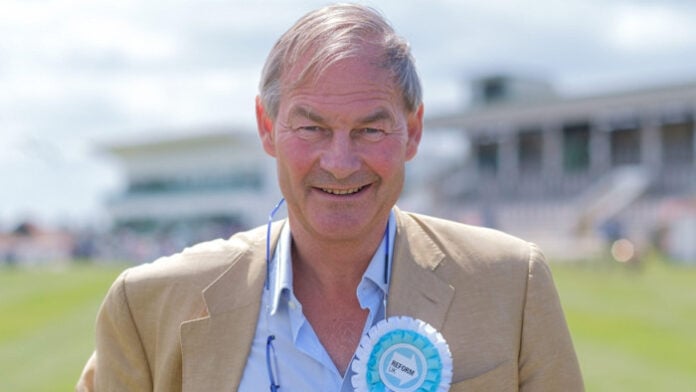
A debate in the British Parliament has once again brought one of the darkest scandals in modern British history back into the national spotlight. Speaking before lawmakers, MP Rupert Lowe presented a series of testimonies from survivors of Pakistani grooming-gang abuse, recounting years of exploitation, violence, and alleged institutional indifference. The testimonies, delivered during a debate made possible by a petition signed by more than 260,000 people, have reignited demands for accountability and a comprehensive investigation into how thousands of vulnerable children were allegedly failed by the very institutions meant to protect them.
Lowe stressed that the debate was not about party politics but about the survivors. Behind every statistic, he argued, was a child whose life had been permanently altered by abuse, coercion, and fear. The testimonies presented to Parliament painted a picture of systematic exploitation stretching across multiple regions of the United Kingdom and spanning several decades.
The ongoing issue is not confined to Britain alone. In Bharat, concerns over Islamic grooming, coercion, blackmail, and cases of love jihad continue to generate intense debate, with many Hindu women having been systematically targeted in such incidents across the country.
Survivors describe years of brutal exploitation
As per the NDTV World reports, the accounts presented before Parliament were deeply disturbing. Survivors described repeated sexual abuse, violence, intimidation, and threats designed to ensure their silence. Many alleged that they were targeted as children and subjected to exploitation by organized Islamist groups of offenders over prolonged periods.
Several survivors recalled living in constant fear, convinced that reporting the crimes would result in retaliation against themselves or their families. Others described suffering serious physical injuries while receiving little meaningful support from authorities. The testimonies suggested that for many victims, the abuse was not an isolated incident but a sustained campaign of exploitation that continued for years.
Testimonies that forced Britain to look into the abyss
The debate in the British Parliament began with a series of survivor testimonies so horrifying that they immediately transformed the discussion from a political issue into a national moral reckoning. As lawmakers listened in silence, survivors recounted years of exploitation, violence, and degradation, exposing what many now describe as one of the most disturbing child-protection scandals in modern British history.
One survivor described how she arrived at a hospital at the age of just 15 after suffering a brutal assault. She recalled being in severe physical pain and too frightened to reveal the truth about what had happened. According to her testimony, she informed hospital staff that her drink had been spiked but was unable to disclose the abuse she had endured because of fear and trauma. She alleged that no meaningful questions were asked, no concerns were raised, and no investigation was initiated. For campaigners, her account represents a devastating example of how vulnerable victims may have slipped through the cracks of institutions entrusted with safeguarding children.
The testimonies grew increasingly disturbing as survivors described scenes that many lawmakers later said were difficult to comprehend. One woman recalled seeing what she believed were numerous young girls confined in cages inside a vehicle, an image she said has remained with her throughout her life. The allegation reinforced concerns that some victims were treated not as human beings but as commodities within organized networks of exploitation.
Several survivors also described extreme acts of cruelty designed to break their spirit and strip them of their dignity. One woman recounted how perpetrators allegedly carried out acts of abuse while others stood nearby, recording, mocking, and laughing rather than intervening. According to her testimony, the objective extended far beyond physical violence; it was about humiliating victims, asserting complete control over them and convincing them that nobody would come to their rescue.
Another survivor recalled being subjected to repeated abuse by large numbers of men over a period of several years beginning in her early teens. Others described being assaulted by groups of perpetrators who allegedly relied on violence, intimidation, and threats against family members to ensure silence. Victims said they lived under constant fear, convinced that reporting the crimes would bring further harm upon themselves and those they loved.
Particularly controversial were allegations relating to race and religion. Several women claimed that derogatory remarks were frequently made about white and Christian girls and that such comments were used to justify their mistreatment. Some survivors alleged that race influenced the selection of victims, stating that the overwhelming majority of girls they encountered during their exploitation were white. While these claims remain politically sensitive, campaigners argue that any investigation seeking the truth must be willing to examine them openly and honestly.
Some testimonies also pointed toward what survivors described as organized and systematic networks of abuse. Women alleged that children were routinely transported to locations where exploitation occurred and that abuse often intensified during festivals and holiday periods. According to these accounts, gatherings became larger, more individuals became involved, and the scale of violence escalated significantly.
By the conclusion of the testimonies, the debate was no longer solely about the perpetrators. It had become a broader examination of how such abuse could allegedly continue for years across multiple regions while warning signs went unheeded. For many observers, the survivors’ accounts exposed not only the brutality of the crimes but also what they believe were profound failures by institutions responsible for protecting vulnerable children.
The testimonies left Parliament confronting a deeply uncomfortable question: how many opportunities were missed to save these children, and how many lives might have been spared years of suffering had authorities acted sooner? For survivors, the answer to that question remains central to their continuing demand for accountability, justice, and reform.
Allegations that abuse escalated during festivals and gatherings
Several survivors alleged that periods surrounding religious holidays and community gatherings saw increases in the scale and severity of exploitation. According to testimony presented during the debate, larger gatherings allegedly resulted in greater numbers of Islamist perpetrators and victims becoming involved.
While these claims require careful examination, they have added to concerns that organized criminal networks were operating in a coordinated manner rather than as isolated offenders acting independently.
The findings of Rupert Lowe’s independent inquiry
The parliamentary debate followed an independent inquiry led by Rupert Lowe, which reportedly identified evidence of Pakistani gang-based child sexual exploitation in at least 85 locations across the United Kingdom. According to findings publicized by the inquiry, organized grooming networks may have been significantly more widespread than previously acknowledged.
The inquiry argued that patterns involving groups of offenders and repeated institutional failures could be identified across multiple regions. It also alleged that public authorities frequently failed to act decisively despite recurring reports of abuse and exploitation.
A scandal that first shocked Britain in Rotherham
Public awareness of the Pakistani grooming-gang issue first surged following revelations from Rotherham, where authorities were accused of failing to act despite years of warnings about the sexual exploitation of children. Subsequent investigations found that large numbers of vulnerable girls had been abused over an extended period while institutional responses remained inadequate.
The scandal eventually expanded beyond Rotherham as similar cases emerged in other cities, including Rochdale, Oxford, Telford, and Bristol. Investigations revealed recurring allegations of organized exploitation, failures in safeguarding procedures, and reluctance among authorities to confront difficult realities.
Official reports reveal the scale of the problem
The scale of child sexual exploitation in the United Kingdom remains alarming. Official figures show that tens of thousands of sexual offenses against children are reported annually, with thousands involving group-based offending. Successive governments have established specialist task forces and investigative units to address the problem, resulting in hundreds of arrests and convictions.
Independent reviews conducted in various regions have repeatedly identified serious shortcomings in how authorities responded to allegations. Many reports concluded that warning signs were overlooked, victims were not believed, and opportunities to intervene were missed.
Perhaps the most powerful message delivered during the parliamentary debate was that the greatest failure was not merely the crimes themselves but the inability of institutions to stop them sooner. Survivors repeatedly described feeling ignored, dismissed, or abandoned at moments when intervention might have changed the course of their lives.
For campaigners, the scandal represents a profound failure of child protection systems, local authorities, and law-enforcement agencies. They argue that genuine accountability requires not only prosecuting offenders but also understanding why so many warning signs failed to trigger action. For survivors, the issue is no longer about obtaining sympathy. It is about ensuring that future generations never endure the same horrors. The question now confronting Britain is whether it has the courage to fully confront the mistakes of the past and implement the changes necessary to prevent such abuses from ever occurring again.
Beyond his campaign on the grooming-gang scandal, Rupert Lowe has advocated what he describes as a broader agenda to “restore Britain.” His proposals include large-scale deportation of illegal immigrants and foreign nationals convicted of serious crimes, stricter immigration controls, measures aimed at curbing the “Islamification” of Britain, including a ban on the burqa, tougher law-enforcement policies, lower taxation, the rollback of net-zero climate policies, and a national referendum on the restoration of the death penalty. Lowe argues that these measures are necessary to protect British identity, strengthen public safety, and restore public confidence in state institutions, though many of his proposals remain highly controversial and have drawn criticism from political opponents and civil rights groups.
