


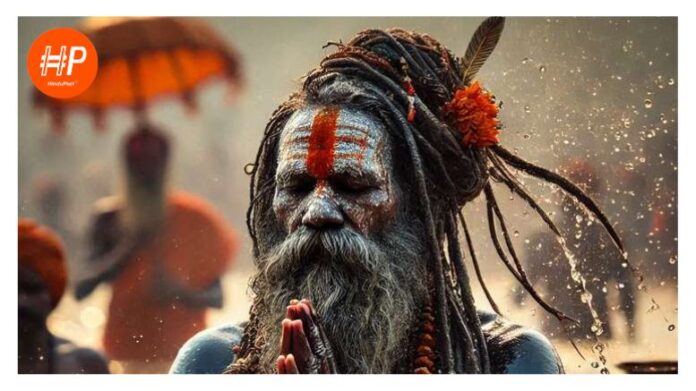
The Mahakumbh Mela 2025, held in Prayagraj, Uttar Pradesh, was an awe-inspiring event that underscored Bharat’s rich cultural and spiritual heritage. Recognized as the largest religious gathering in the world, this year’s Mahakumbh witnessed a staggering 65 crore pilgrims from across the globe. Spanning several weeks, the event combined spirituality with grand-scale logistics, infrastructure development, and economic activity. The Uttar Pradesh government allocated ₹12,670 crore for organizing the event, which included extensive development projects such as roads, flyovers, and underpasses to accommodate the massive influx of visitors.
The Mammoth Scale of Mahakumbh 2025
The event was not merely a spiritual congregation but also a monumental economic engine. An estimated ₹3 lakh crore worth of economic activity was generated during the Mahakumbh, making it one of the largest economic events in Bharat’s history. This article delves into the diverse economic benefits that emerged from this colossal event.
Economic benefits of Mahakumbh 2025
1. Boost to Local Businesses and Employment
The Mahakumbh provided a significant boost to local businesses in Prayagraj and surrounding areas. Thousands of small vendors, shopkeepers, and service providers saw their incomes rise dramatically. For instance:
- Boatmen earned substantial profits ferrying pilgrims across the Ganga. A single boatman reportedly earned ₹30 crore during the event by operating a fleet of 130 boats.
- Small food vendors selling tea and snacks reported daily earnings of up to ₹30,000.
- Other local businesses, including souvenir shops and street vendors, benefited from increased footfall.
This surge in income not only benefited individuals but also had a ripple effect on the local economy through increased spending.
2. Hospitality and Tourism Industry
The hospitality sector experienced unprecedented demand during the Mahakumbh. Hotels, guesthouses, and temporary accommodations were fully booked throughout the event. Direct spending on travel, accommodation, food, and other services by pilgrims amounted to ₹90,000 crore. Additionally:
- Restaurants and eateries saw record sales due to the sheer volume of visitors.
- Temporary camps and luxury tents catered to high-end tourists.
3. Transportation Sector
The transportation sector was another major beneficiary:
- Railways earned ₹17,700 crore from increased passenger traffic during the event.
- Road transport services, including buses and taxis, saw heightened demand.
- The overall revenue from transportation-related activities reached ₹37,000 crore.
This surge not only boosted revenues but also created temporary employment opportunities for drivers and support staff.
4. Infrastructure Development
The government invested heavily in infrastructure development in Prayagraj and nearby areas:
- Over ₹7,500 crore was spent on building new roads, flyovers, underpasses, and sanitation facilities.
- These projects not only facilitated better management of the event but also left a lasting legacy for local residents by improving connectivity and urban amenities.
5. Entertainment and Leisure Activities
Pilgrims spent approximately ₹10,000 crore on entertainment activities such as:
- Helicopter rides offering aerial views of the Kumbh area.
- Hot air balloon rides.
- Adventure sports and guided tours.
These activities added a modern dimension to the traditional pilgrimage experience while generating additional revenue streams.
6. Tax Revenue Growth
The Mahakumbh significantly boosted tax revenues for Uttar Pradesh:
- GST collections in January and February 2025 increased by over ₹1,000 crore compared to the previous year.
- The state recorded GST growth rates of 11% in January and 14% in February 2025—higher than the national average.
This surge was driven by increased consumer spending across sectors such as retail, food services, and transportation.
7. Contribution to National GDP
The Chief Economic Advisor highlighted that the Mahakumbh played a pivotal role in boosting Bharat’s GDP growth for FY25 to an estimated 6.5%. The event stimulated consumption expenditure during the March quarter through direct spending by pilgrims as well as indirect economic activities.
8. Empowerment of Marginalized Communities
The economic benefits extended to marginalized communities:
- Individuals engaged in traditional crafts or small-scale services experienced a significant rise in income.
- Many workers used their additional earnings for education or healthcare expenses, thereby improving their quality of life
Positive Signs for the Future of Hindu Civilization
The Mahakumbh 2025’s unprecedented success—marked by its economic dynamism, spiritual fervor, and seamless organization—reflects the resilience and vitality of Hindu civilization. Beyond this, astrological and cultural narratives point to a transformative phase ahead. Spiritual leaders like Swami Yogeshwaranand Giri predict a “golden era” for Bharat, driven by a rare planetary alignment in May 2025 that could elevate the nation’s global standing as a beacon of spiritual wisdom and ethical governance.
This aligns with historical Hindu eschatological cycles, where periods of decline are followed by renewal, exemplified by the eventual dawn of Satya Yuga after Kali Yuga’s trials. The resurgence of interest in Hindu heritage, evidenced by events like the Mahakumbh and academic efforts to reconstruct Hindu history, underscores a growing reconnection with timeless values of dharma, sustainability, and community. Together, these factors signal a renaissance where Hindu civilization could lead in harmonizing material progress with spiritual enlightenment, fostering global peace and holistic development.
Conclusion
The Mahakumbh Mela 2025 was not just a spiritual extravaganza but also an economic powerhouse that transformed Prayagraj into a hub of commerce and activity. From boosting local businesses to contributing significantly to national GDP growth, its impact was felt across multiple sectors. By combining cultural heritage with economic opportunity, events like the Mahakumbh underscore their importance as engines of holistic development for Bharat.
