


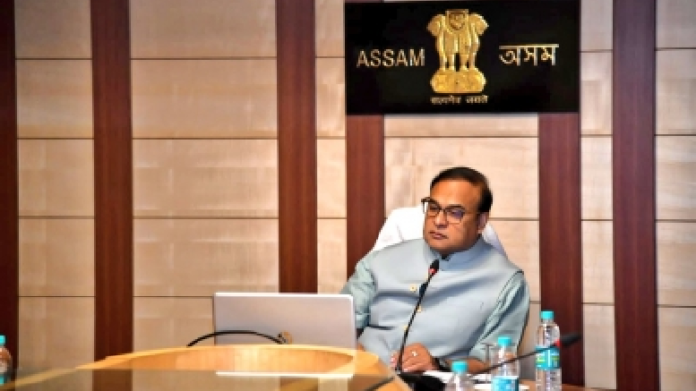
On December 13, 2024, Assam’s Chief Minister Himanta Biswa Sarma articulated the state’s vision as a development model, attributing this progress to the administration’s focus on transparent and efficient governance. Speaking during the launch of multiple initiatives for Jorhat district, Sarma emphasized that the strides made in critical sectors such as infrastructure, healthcare, and education in the past three years were foundational to building a new Assam.” The initiatives marked the commencement of the state government’s ambitious 12 Days of Development program, which aims to enhance socio-economic outcomes across the state.
Governance framework: a foundation for growth
Sarma’s remarks were framed within the broader objective of building a robust and inclusive Assam. He underscored that the state’s development trajectory was deeply rooted in transparency, merit-based recruitment, and equal opportunity principles. A cornerstone of the administration’s governance approach has been ensuring equitable access to opportunities, particularly in government employment. Sarma highlighted that the government’s efforts to recruit individuals based on merit, rather than socio-economic background, have enabled children from economically disadvantaged families to secure positions in state-run departments.
The Chief Minister’s comments reflect an ongoing commitment to reshaping Assam’s governance infrastructure. By focusing on transparency and reducing bureaucratic red tape, the administration aims to create an environment that fosters growth, attracts investment, and improves the overall quality of life for residents. These policy decisions align with the state’s broader goals of reducing poverty, enhancing access to services, and ensuring sustainable development across all sectors.
’12 Days of Development’ Initiative: a broad-spectrum impact
The ’12 Days of Development’ initiative is designed to deliver tangible benefits across a variety of domains, including education, healthcare, rural development, and micro-enterprise promotion. Sarma revealed that several new schemes, particularly in the education sector, were being introduced to provide substantial benefits to students. This initiative is indicative of the government’s broader push to elevate educational standards, improve infrastructure, and ensure that all children, regardless of their socioeconomic status, have access to quality learning opportunities.
In total, the state expects over 10 lakh families to benefit directly from the new measures rolled out during the development program. These initiatives, coupled with substantial financial outlays, signal the government’s intent to make significant investments in the human capital of Assam, preparing the next generation for greater participation in a modernized economy.
Financial relief and support for the disadvantaged
One of the focal points of the launch event was the disbursement of financial support under various schemes aimed at alleviating economic distress for marginalized groups. Sarma initiated the ceremonial distribution of the no-dues certificate under the Assam Microfinance Incentive and Relief Scheme. This scheme specifically targets borrowers from ‘Category-III, Phase-II,’ with an aggregate relief amount of Rs 223.30 crore. The financial assistance under this program is part of a broader strategy to address microfinance debt and promote economic empowerment at the grassroots level.
Additionally, under the revenue and disaster management department, Rs 35.38 crore was allocated to 6,86,487 families to provide financial relief to those most affected by natural calamities. The distribution of funds aims to support families in rebuilding their lives and securing livelihoods after disaster events, reinforcing the state’s commitment to disaster resilience and recovery.
Support for micro-enterprises and rural economy
In line with the government’s focus on economic self-sufficiency, Sarma also launched initiatives aimed at supporting micro-enterprises, particularly in the food processing sector. Under the Pradhan Mantri Formalisation of Micro Food Processing Enterprises Scheme, seed capital amounting to Rs 21.90 crore was provided to 6,490 members of Self-Help Groups (SHGs). This scheme seeks to formalize small-scale food processing units, enhance the quality of locally produced goods, and promote the growth of rural enterprises. Through these measures, the government aims to create sustainable employment opportunities and improve incomes for thousands of families involved in the food processing industry.
Infrastructure development: Jorhat Urban Water Supply Scheme
A notable infrastructure initiative launched during the program was the Jorhat Urban Water Supply Scheme, designed to provide safe drinking water to residents in the district. The Chief Minister performed the ceremonial bhumi puja (groundbreaking ceremony) and laid the foundation stone for this important project. The Jorhat Urban Water Supply Scheme, which will receive a financial allocation of Rs 220 crore, is expected to ensure clean and uninterrupted water supply to 14,700 households by leveraging modern technology and advanced infrastructure.
A key feature of this project is the Drink from Tap (DFT) initiative, which aims to provide potable water directly to households, eliminating the need for traditional water storage and filtration systems. The project is scheduled for completion by December 2026, and its successful implementation will be a crucial step toward improving public health and sanitation in Jorhat, marking a significant milestone in the district’s infrastructural development.
Looking ahead: ensuring long-term growth
The launch of these initiatives underscores the Assam government’s commitment to addressing both immediate and long-term challenges in the state. From providing financial relief to the underprivileged to investing in critical infrastructure, the ‘12 Days of Development program is a comprehensive approach to sustainable development. By focusing on education, healthcare, rural livelihoods, and infrastructure, the administration is creating a platform for inclusive growth and enhanced living standards for millions of residents.
As these initiatives unfold over the coming years, the full impact on Assam’s socio-economic landscape will become clearer, with the potential for the state to serve as a model for governance and development in Bharat.
