


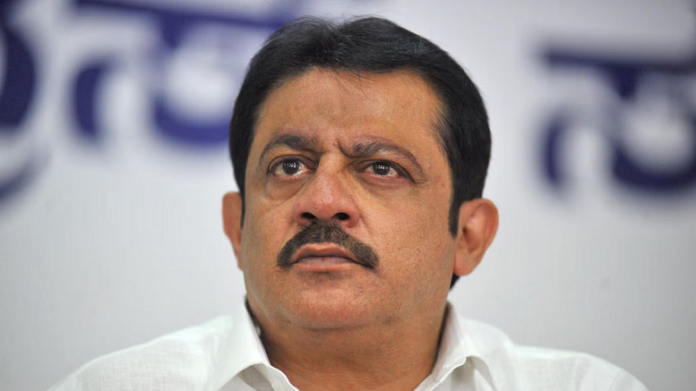
In a significant disclosure in the Karnataka Legislative Assembly, Karnataka’s minister for housing, Waqf, and minority welfare, B Z Zameer Ahmed Khan, revealed alarming details about the condition of Waqf properties across the state. According to the minister, Waqf assets, originally donated by private individuals for community welfare, span over 112,860 acres, yet the board currently retains effective control over only a fraction of this land.
As per OpIndia reports, the most striking revelation was the scale of encroachment. Nearly 17,969 acres of Waqf land have been illegally occupied, and shockingly, the majority of these encroachments are attributed to members of the Islamic community itself. The minister clarified that these illegal occupations were not carried out by temple authorities or Hindu institutions, directly countering several prevailing claims and narratives.
The disclosures came in response to a query raised by Afzalpur MLA M.Y. Patil during Question Hour. He highlighted the ground reality in regions like Afzalpur in the Kalaburagi district, where large tracts of land are neither under the control of the Waqf Board nor the government but remain in the hands of private individuals. This has severely hindered public infrastructure development, forcing authorities to depend on private land for essential projects.
The minister further explained that a significant portion of Waqf land was lost historically due to legislative changes, including the Inam Abolition Act and land reform policies, which together account for tens of thousands of acres. In an effort to address the crisis, the government established Waqf Lok Adalats in 2023 to identify, resolve disputes, and reclaim encroached lands. However, these efforts have been mired in controversy and political backlash.
The Bharatiya Janata Party has strongly criticized the functioning of the Waqf Board, alleging that it has issued notices claiming ownership over lands cultivated by farmers for generations. Leader of the Opposition R Ashok raised concerns about what he described as arbitrary claims, citing instances such as a school in Chikkaballapur, associated with M Visvesvaraya, being allegedly claimed as Waqf property.
Ashok also questioned the selective approach to pursuing property disputes, citing the high-profile Windsor Manor hotel case and demanding transparency. In response, the minister stated that the matter is currently under consideration by the Supreme Court and assured the House that no religious or educational institutions would be arbitrarily declared Waqf properties.
In Karnataka, Hindu temples are subject to strict government regulation, oversight, and accountability mechanisms that ensure transparency in the management of temple lands. However, similar levels of consistent regulation and enforcement are often questioned in the case of Waqf properties and Islamic institutions. Despite visible concerns around land management and unequal enforcement, large sections of Hindus continue to remain silent and still support the Congress government led by Siddaramaiah. This entire episode reflects a deeply concerning pattern of vote bank politics, setting a new low in governance and raising serious questions about the Congress government’s intent and priorities.
