


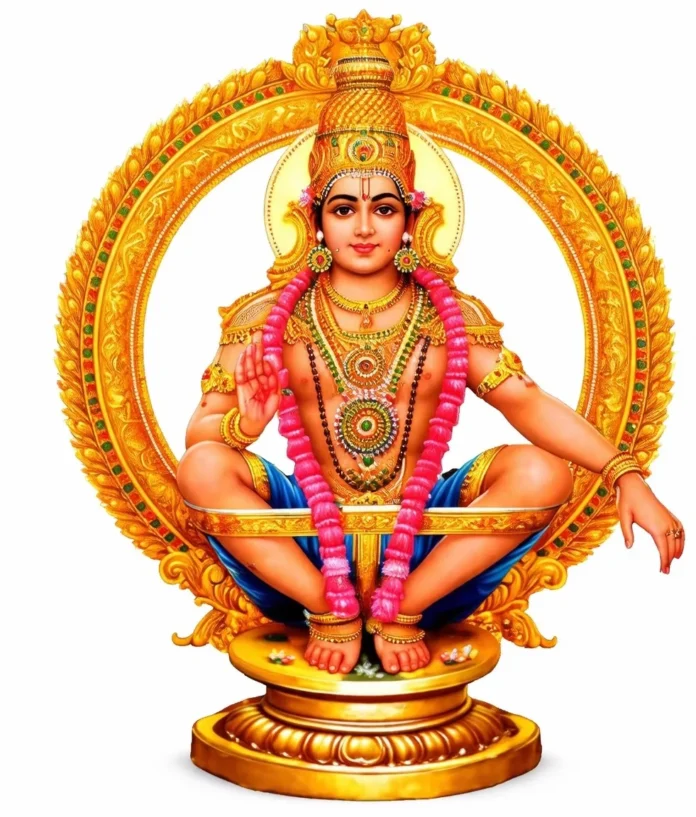
“Ayyappa, Ayyanar, Shasta: History Beyond Ideological Distortion”, krishnants.substack.com, April 11, 2026
“When writing history, it is essential that the author undertakes deep research into the subject, or at the very least possesses a sound familiarity with the historical and cultural landscape. When someone relies heavily on secondary sources, especially questionable ones, the result is often a half-baked work in which the underlying agenda becomes all too obvious. The article in The Print is one such example.
Written in the backdrop of the ongoing court case, the article attempts to portray Lord Ayyappa as merely a “local forest deity” who was later appropriated by the usual target of such narratives — “the Brahmins.” What is unfortunate is that the larger background, religious context, and historical evolution of the worship are completely ignored in order to sustain this superficial argument. The author also resorts to the familiar wordplay often seen in Dravidianist discourse: if the names are different, then the deities must be different. This is the standard line used to construct a theory of exceptionalism — claiming, for instance, that Murugan is different from Karthikeya, Durga is different from Kotravai, and so on.
The very opening paragraphs of the article are riddled with factual errors. One striking example is the claim: “In Tamil Nadu, he is known as Ayyanar, and is more of a village protector-god.” Really? The deity has been known since ancient times as Shasta, and is worshipped under various names such as Ayyanar and Ayyappan. At its core, this is the worship of Shasta in different forms…….”
Read full article at krishnants.substack.com
